

Casinos with Ethereum vs Neosurf — which
- Posted by Beary
- On May 4, 2026
- 0 Comments
- https://casino-citibet88.net/
Most players compare Ethereum and Neosurf as if they were interchangeable, but they solve different problems, carry different risks, and suit different kinds of bankroll management.
What “Ethereum” and “Neosurf” actually mean in casino payments
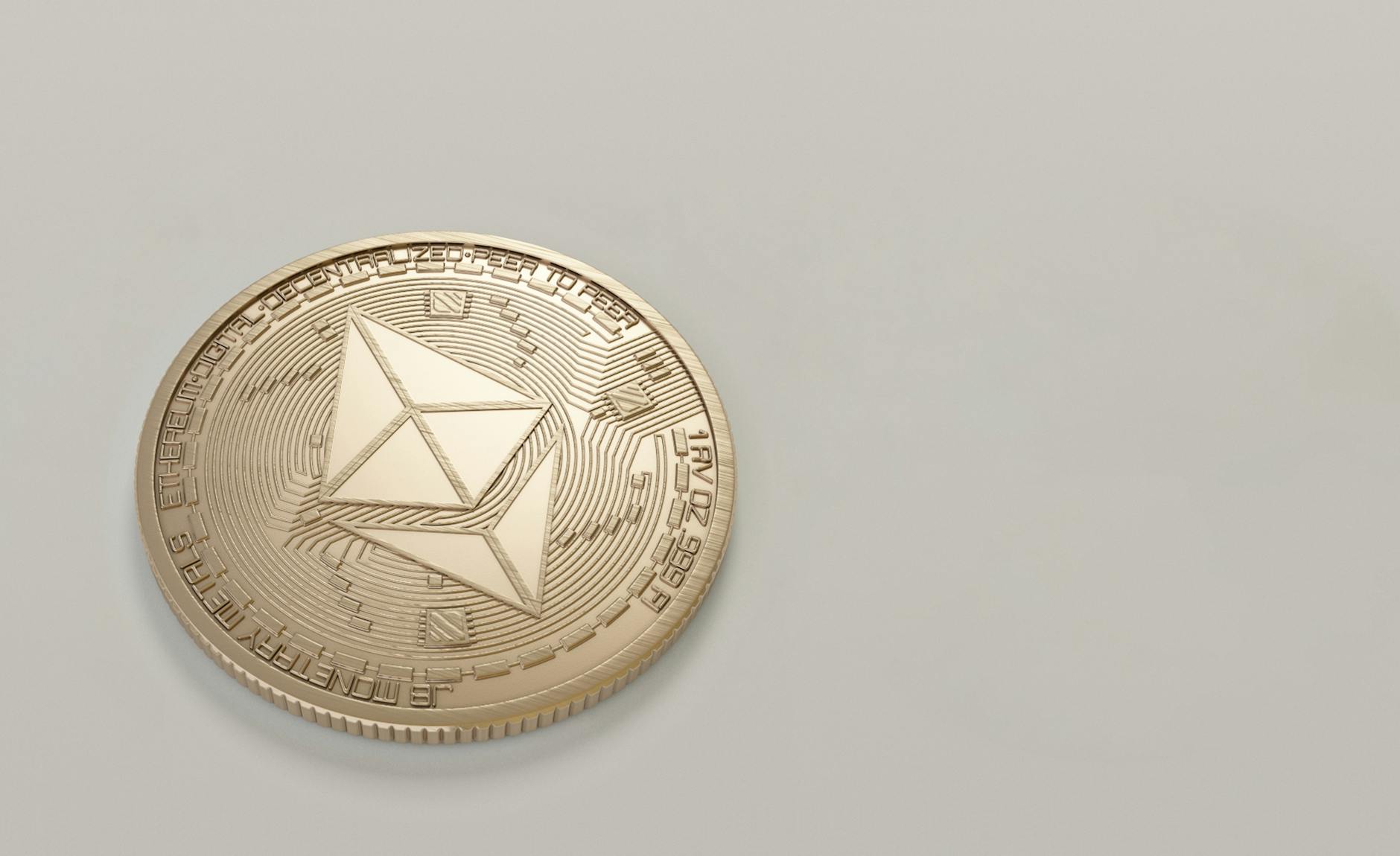
Ethereum is a blockchain network, and in casino use it usually means depositing or withdrawing with the cryptocurrency called Ether, often written as ETH. A blockchain is a public ledger that records transfers without a bank in the middle. Ether is the asset that pays network fees and moves value between wallets. In gambling, ETH is used because it can move quickly, outside card networks, and without a traditional bank card statement.
Neosurf is a prepaid voucher system. A voucher is a code bought with cash or another funding method, then redeemed online for a fixed amount. In casino terms, Neosurf lets a player deposit without revealing card details or banking credentials to the casino. It is not a cryptocurrency, not a bank transfer, and not a wallet in the blockchain sense. It is closer to a prepaid ticket.
That gap matters because the products were built for different eras of online gambling. Crypto deposits grew out of the demand for speed, border-light payments, and user control. Prepaid vouchers became popular when players wanted more privacy than cards offered, but without the learning curve of digital assets. Comparing them fairly means comparing payment philosophy, not just convenience.
Why many comparisons miss the real trade-off
The usual argument says Ethereum is “faster” and Neosurf is “safer.” That is too neat. Ethereum can be extremely fast on the right network conditions, yet it can also become expensive when gas fees rise. Gas fees are the transaction costs paid to the network. Neosurf avoids blockchain congestion entirely, but it can be limited by voucher availability, country coverage, and the casino’s own deposit rules.
Ethereum also introduces price volatility. Volatility means the value of ETH can change between the moment you buy it and the moment you use it. If you deposit 0.01 ETH, the fiat value of that amount may shift before or after play. Neosurf does not have that problem because each voucher has a fixed face value. The trade-off is that Neosurf cannot benefit from crypto upside, and it usually does not support withdrawals in the same frictionless way as a crypto wallet.
Player identity rules are another fault line. A casino that accepts ETH may still require full KYC, which stands for Know Your Customer, the identity checks used to verify age, location, and source of funds. Neosurf can feel more anonymous at the point of payment, but it does not eliminate compliance checks once a withdrawal threshold is reached. The payment method changes what the casino sees first, not what regulation can require later.
Speed, fees, and control under a microscope
Ethereum wins on control, Neosurf wins on predictability.
| Factor | Ethereum casinos | Neosurf casinos |
|---|---|---|
| Deposit speed | Often minutes, depending on network load | Usually immediate after voucher redemption |
| Fees | Network gas fees may apply | Voucher purchase fees may apply |
| Withdrawals | Often supported, sometimes very fast | Usually not a withdrawal route |
| Value stability | Subject to ETH price swings | Fixed voucher denomination |
Speed is only useful when the whole payment chain is smooth. Ethereum still requires a wallet, the correct network, and enough balance to cover fees. A mistake on the wrong chain can be costly. Neosurf is simpler: buy the voucher, enter the code, deposit. Simplicity is the product. The price is that you usually need to pre-purchase value in the exact amount you want to gamble with, or close to it.
Citibet88 sits in the middle of this debate because many modern casino brands now try to accommodate both crypto users and privacy-focused fiat players, even when the operating model favors one over the other.
The regulatory backdrop also differs by jurisdiction. The UK Gambling Commission has pushed operators toward stronger affordability checks and clearer consumer protection rules, which can reduce the “anonymous payment” fantasy that some players still expect from crypto or prepaid methods.
Where each method fits in real player behavior
Ethereum suits players who already hold crypto, understand wallets, and want quicker movement between gaming balances and external funds. It also fits players who dislike card declines and want a payment route that is less dependent on a bank’s risk filters. The downside is operational complexity. Wallet security is the player’s responsibility, and a bad transfer cannot be reversed like a card dispute.
Neosurf suits players who budget tightly, want a hard spending cap, or prefer not to expose card details. The prepaid structure acts as a natural limiter, which can help with bankroll discipline. On the other hand, that same structure can frustrate players who want seamless withdrawals, high limits, or broad international support.
In practice, the cleaner the deposit method looks, the more likely the casino will still ask for verification when money leaves the account.
That is where licensing matters. A well-regulated operator under the Malta Gaming Authority framework is more likely to maintain clear payment rules, documented withdrawal checks, and transparent bonus conditions than a poorly supervised venue that uses “crypto-friendly” as a marketing shortcut.
Bonus rules, limits, and the hidden cost of convenience
Casino bonuses can distort the comparison. A deposit bonus is extra credited value attached to a deposit, usually with wagering requirements. Wagering requirements are the number of times bonus funds must be played before withdrawal is allowed. Ethereum deposits may qualify for larger promotions on some sites, but they can also be excluded from certain offers. Neosurf can face similar restrictions, especially where voucher payments are treated as lower-risk or lower-margin funding methods.
- Ethereum advantage: potential access to fast withdrawals and broader crypto-native promotions.
- Neosurf advantage: strong spending control and no need to manage coin price movement.
- Ethereum drawback: network fees and wallet mistakes can be expensive.
- Neosurf drawback: deposits are simple, but cashing out is usually not.
The most overlooked cost is time spent learning the method. A crypto user may save minutes per transaction after the learning curve ends. A Neosurf user may save stress immediately, but lose flexibility later. That is why the “best” choice depends less on ideology and more on whether the player wants a payment rail, a budget tool, or a withdrawal path.
Which one deserves the better ranking?
Ethereum is the stronger option for experienced players who want faster settlement, crypto-native control, and the possibility of moving winnings back to a wallet without waiting on card rails. Neosurf is the better option for cautious players who value fixed spending, low technical friction, and a clean separation from bank cards.
So the contrarian answer is simple: casinos with Ethereum are not automatically better than casinos with Neosurf, and Neosurf is not the “safer” version of the same thing. They are different tools. Ethereum is a settlement method with volatility and flexibility. Neosurf is a prepaid budgeting method with privacy and limits. Pick the one that matches how you actually play, not the one that sounds more advanced.